





I have a mammoth playlist. 924 tracks, 58 hours and 12 minutes of music. In it, you might hear classic essentials and classic rock, or obscure Arabic songs and old school garage. It contains all my favourite songs and is ever expanding.
Music is a big part of my life. Not because I work in it, but because it's always on. From growing up hearing ABBA, Fairuz, Englebert Humperdink and Elvis, to stealing my brother's tapes and CDs as a teen. And now I have kids, it's great to get them singing and dancing along to Fred Astaire, Louis Armstrong, as well as Disney tunes and Billie Eilish.
The reason I'm telling you this is because as I was on my way to the Schwarzman Centre for a talk about music and resistance, one of the tracks that came on (it's permanently on shuffle) was MEEK's Fabulous. For those who don't know, it's a feel good, sweary song about feeling f*cking fabulous even when things aren't going right. Apt considering I was about to hear from three experts talking about protest songs.
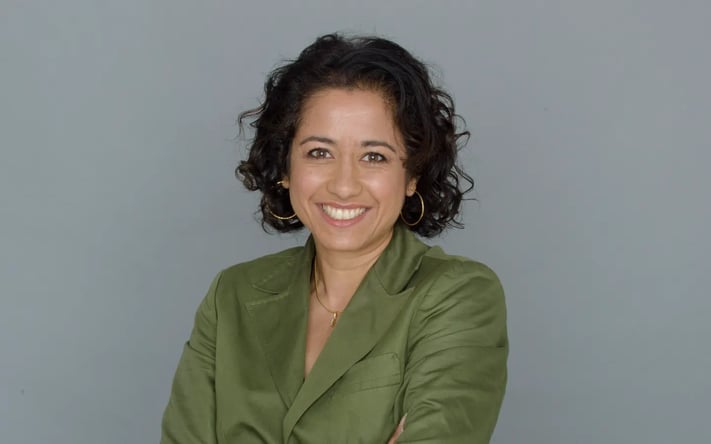
The talk was part one of three in which journalist and broadcaster Samira Ahmed chairs conversations exploring how arts and culture are responding to urgent global challenges - this first one focusing on music as a site of resistance and collective voice, from protest songs to revolutionary anthems, across continents and styles.
The Schwarzman Centre is the newest building in Oxford that houses a theatre, concert hall, cinema, an exhibition space and more, all with a foyer bar that rivals some I've seen on the West End. It's situated behind the Blavatnik School of Government on Walton Street. I actually went to the opening day of the Schwarzman - which was so busy, I was surprised that the talk was in fact half empty. I think the staff almost outnumbered the attendees.
Samira began by setting the tone and introducing the speakers, explaining that it was an opportunity to merge the University of Oxford world with the wider world. Interesting phrasing considering this was a public event, at a reasonably accessible price of £10 a ticket. However, I realised very quickly that the majority of the attendees were in fact connected to the University somehow. A real lost opportunity here considering how many music-focused organisations are on their doorstep and could have been invited to hear from Soweto, Tash and Nomi - all worthy of being heard.
What an incredibly diverse stage; it was refreshing to see it in Oxford. It's just a shame that the audience wasn't as well.
It was great to be in a room hearing the speakers talk about how music is so subjective. As Soweto said, "You don't choose to engage with music, it's always happening", and Tash added, "Music traverses politics, language and culture." Nomi has found that music "was a way of opening up conversations" as she lived and worked in Guinea.
Interspersing the chat, each of the speakers had selected snippets of songs to further their points. Nomi played us some Bembé jazz, Tash got everyone nodding along to Sister Nancy, and Soweto performed a work in progress called 'Epilogue'.
Samira Ahmed moved the conversation around so many important milestones in music history - from authoritarians targeting degenerate musicians in the Nazi era, to Beyoncé's country album, to her neighbour Stormzy. And along the way, I learned things I wasn't expecting to. That jazz was originally called Jack Ass Music - a label meant to demean a form that would go on to shape the world. That techno music in Detroit can be soulful. That the original cowboys were Black. I wrote down names of books, artists and songs to devour.
In a city filled with great music - and a real range - it would have been nice to see that represented among those privileged to be hearing from Soweto, Tash and Nomi. But the final reflections promised hope. Soweto asked us to reject algorithms and build interpersonal relationships, because "change won't happen without that genuine connection".
Tash pleaded for us to show up in physical spaces, engage in community, buy vinyl and be curious. As Tash said at the start, "Music is a powerful tool for social change" - and by the end of the evening, it was hard to disagree.
In the current climate which hosts so much division, it was refreshing to hear from the speakers, and I leave you with a powerful statement that Soweto made when talking about attending and performing at anti-genocide events: "My ancestors didn't give me these tools to be a background artist to these wars."